Planetarium Labs
Designing the undesignable
Over the past few years, Julian has been establishing transdisciplinary laboratories in futures design at the Technical University of Munich.
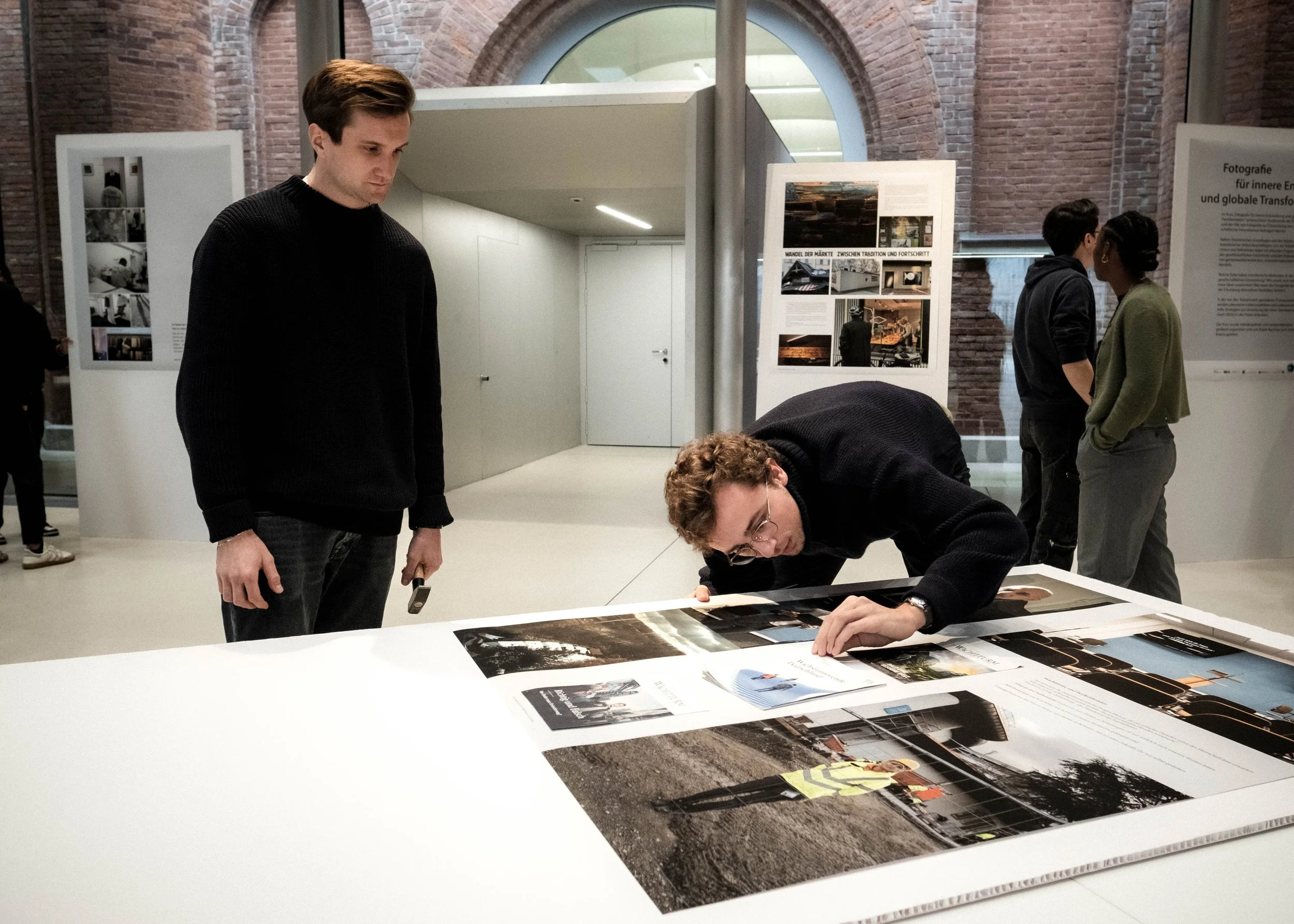
Emerging Realities is based on the premise that shaping the future oftentimes begins by making visible the invisible forces and connections at work. “Emerging” is thereby understood as a verb: through ethnographic and expanded documentary methods, students explore unconscious, repressed, hidden, denied, and shadow dynamics. In contrast to solutionism, the goal of design here is integration and the framing of narrative realities as levers for impact-oriented change.
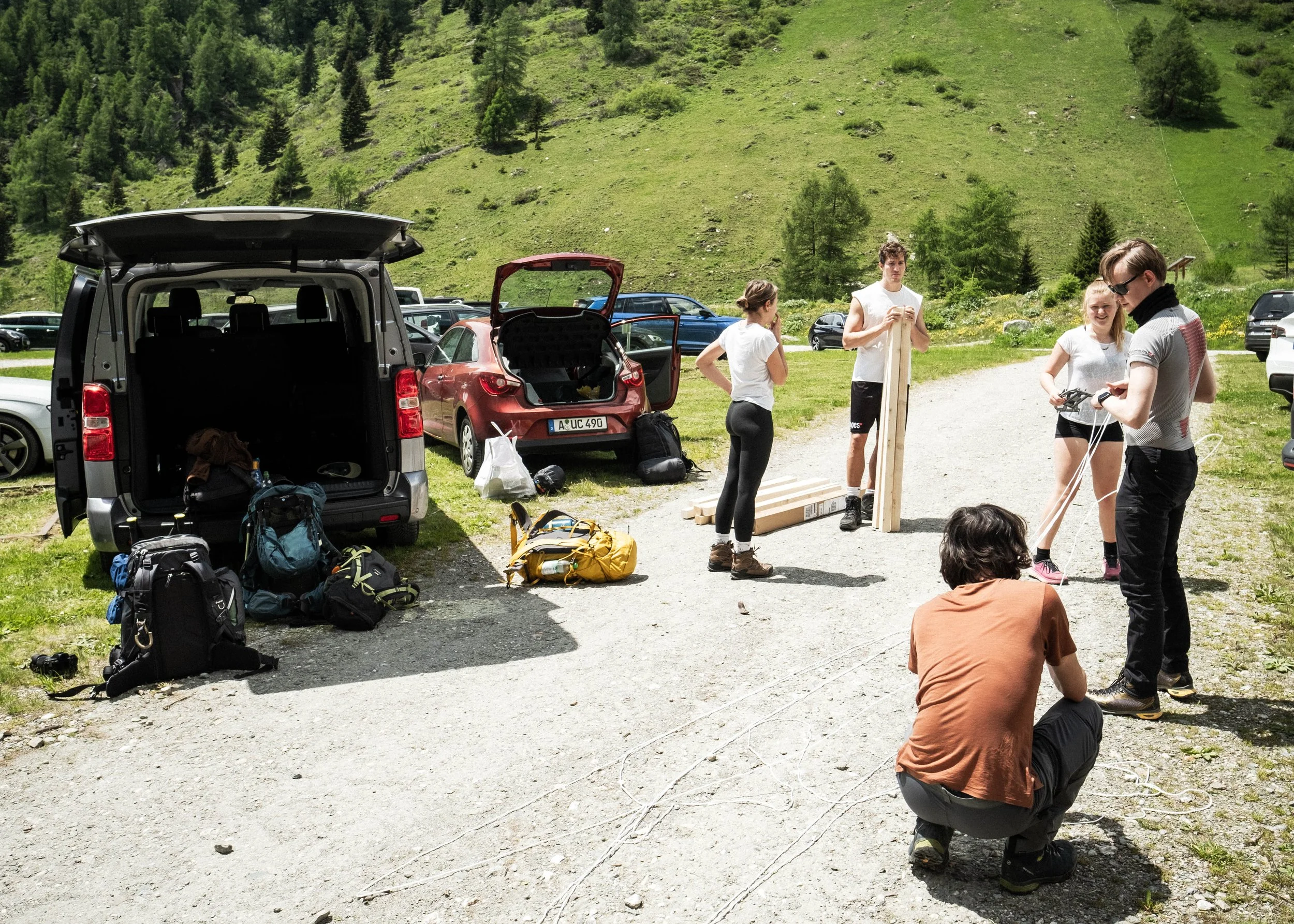
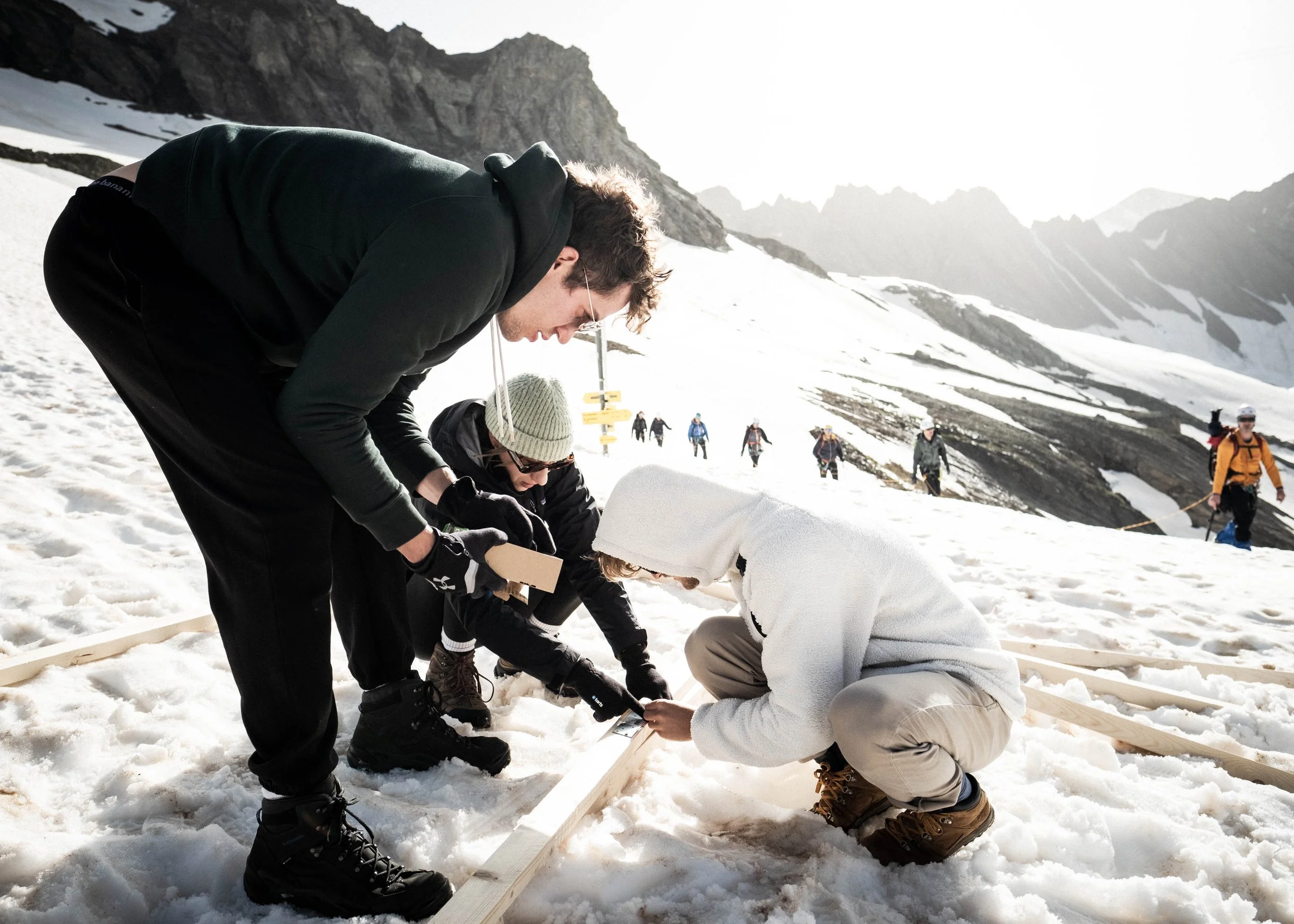
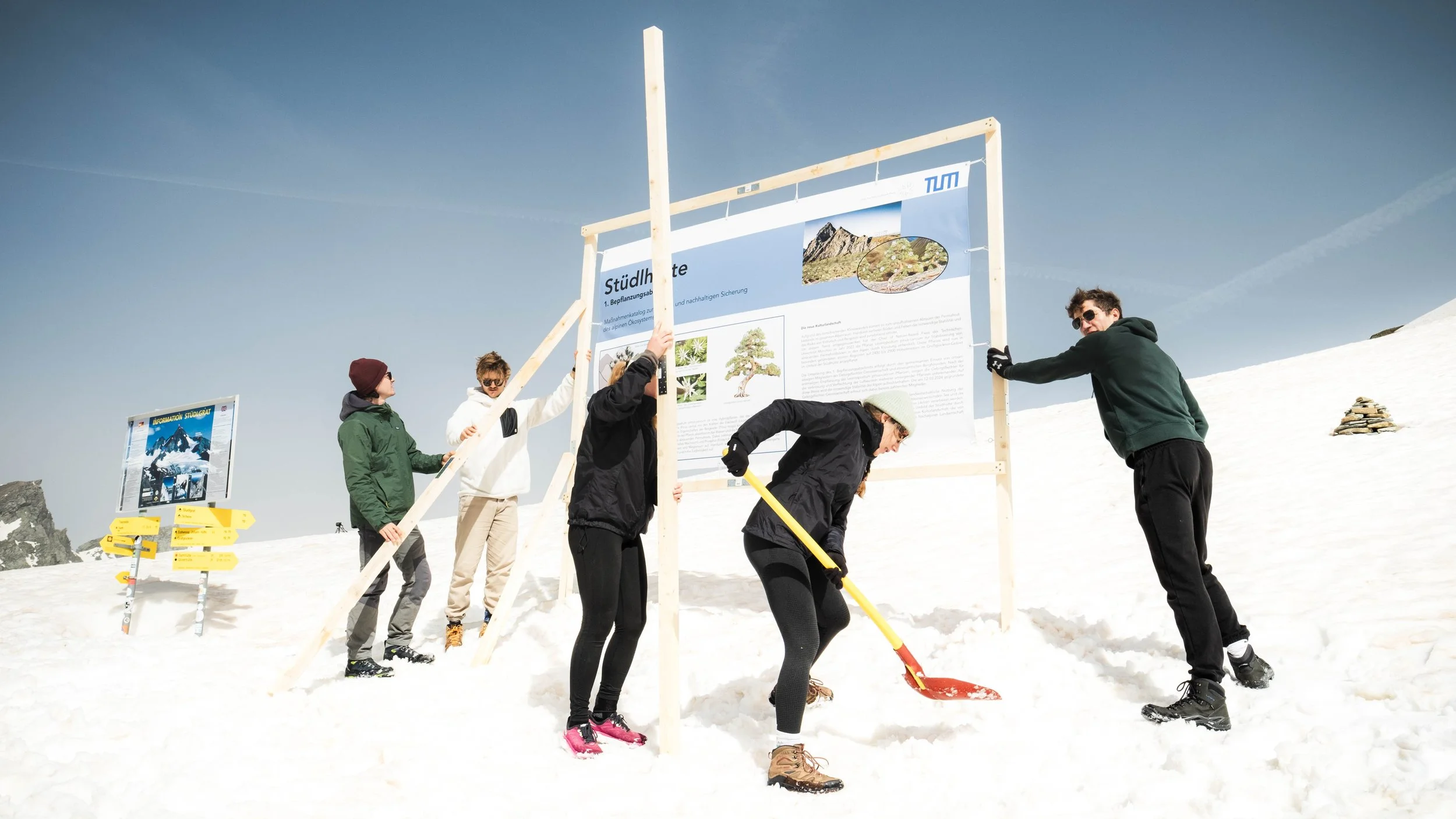
Extreme Environments addresses the fact that extremes are increasingly the norm, challenging designers to develop approaches for entirely new realities. Extremes also serve as a didactic lens, yielding insights not accessible under what is considered normal. In this lab, students explore what design practice might look like in such contexts and the potential extremes offer for redesigning future ways of being. Through iterative, experimental, site-specific work, student develop speculative prototypes and stimulate discussions about design, adaptability, and human nature.
Progress Narratives questions collective understandings of progress and creates space for plural narratives that do justice to the complexity of our times. For instance, in the lecture series “The Role of Nature in Modern Capitalism: What is Impact, What is Progress?”, students analyse prevailing progress narratives and widely accepted images of nature, and compile a magazine that brings positions, visions, and critique into dialogue. In another setting, based on narrative theories, and the recognition that much of today’s designed reality is inspired by the entertainment industry, students experiment with the potential of alternative genres for future films.
How else might we teach progress-critical design?